
A named person, your art on file, and no rebuilding.
Most apparel headaches are not printing problems. They are coordination problems — collecting sizes, chasing approvals, finding last year's logo, explaining the colours again. A program moves all of that to Elm Street and leaves you with a quantity to confirm.
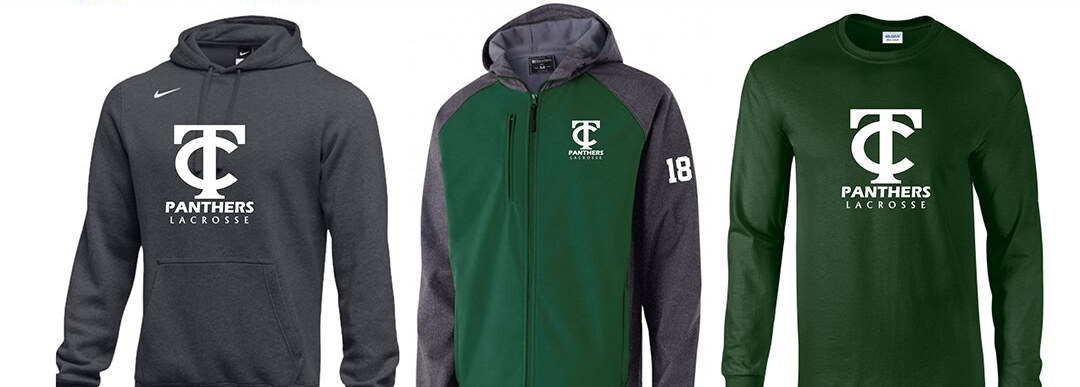
- Account
- One named manager
- Artwork
- Held on file
- Thread & ink
- Numbers locked
- Ordering
- Store, schedule, or phone
- Reorders
- Off the approved file
- Rollouts
- Multi-site supported
You stop running the apparel.
A one-off order is a transaction. A program is a standing arrangement: a named account manager, your artwork and thread numbers held on file, and reorders that are a quantity rather than a project. This is what the monthly relationship actually buys.
Intake
The first conversation is not an order form. It is an account manager working out what the program actually has to do — who is wearing it, how often it gets replaced, what has gone wrong with it before, and what has to be true about it in four seasons.
We handle
Pulling garment options, building the artwork, proofing, and pricing the program as a whole.
You do
Tell us who wears it and when you need it.
The file
This is the part that makes everything after it fast. Once the art is approved it stops being an attachment somebody has to find. Your separations, your digitized file, your thread numbers, and your garment styles live on your account, and every reorder starts from them.
We handle
Approved artwork, separations, digitizing, thread colours, and garment styles held on file under your account.
You do
Approve it once.
Ordering
Some programs want a store their staff order from directly. Some want two buys a year and nothing in between. Some want the coordinator to call. The ordering method is set up around the organization rather than around what is convenient to run.
We handle
A private webstore, a standing order schedule, or a phone call to your account manager — whichever suits how your people actually order.
You do
Point your people at it.
Production
Because the art staff, the press, and the embroidery machines are all on Elm Street, the schedule is one schedule. There is no subcontractor's calendar in the middle of your delivery date, and a problem found at proof does not cost a week of shipping.
We handle
Scheduling art, screens, press, and embroidery in one building against your delivery date.
You do
Nothing.
Delivery and reorder
A reorder should be a quantity, not a project. New hires, a mid-season size run, a second location — those come off the same approved file, in the same colours, on the same garment, without rebuilding anything.
We handle
Delivery to one point or to individuals, size runs, new-hire packs, and reorders off the file.
You do
Say how many.
- One account manager
- A named person who knows your program, not a queue.
- Art held on file
- Separations, digitizing, and thread numbers stay under your account.
- One building
- Art, screen printing, and embroidery at 46 Elm Street — nothing subcontracted out.
- Reorders off the file
- Season two starts from season one, in the same colours on the same garment.
Worth it when you reorder.
A program fits
You order more than once a year
Seasons, new hires, second locations, replacements. Anything that recurs is cheaper to run off a file than to rebuild each time.
A program fits
More than one person orders
A coach and a booster club. Four department heads. Six restaurant GMs. Programs exist so those people stop producing six different versions of your logo.
A program fits
The apparel has to match itself
A crew jacket bought in March has to match one bought in November. That is a held file and fixed thread numbers, not luck.
A program does not fit
You need one run of shirts, once
Then you do not need a program — you need a good print. Call the sales desk, tell us the count and the date, and we will just do that.
Let's set the program up.
Tell us who wears it, how often you replace it, and what has gone wrong with it before. That is the whole first conversation.